
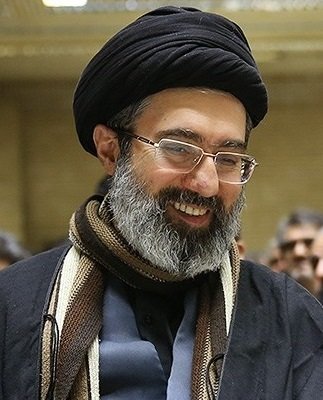
Iran Names Khamenei’s Son Mojtaba Khamenei as New Supreme Leader: What It Means for Iran and the World
DUBAI 03-09-2026:Mojtaba Khamenei is a Shia cleric and political figure who has long been considered one of the most influential people inside Iran’s ruling establishment. Born in 1969 in Mashhad, he is the second son of Ali Khamenei and grew up within the inner circle of the Islamic Republic’s leadership.
Although he rarely appeared in public or held an elected position, Mojtaba wielded significant power behind the scenes through his role within the Office of the Supreme Leader. Many analysts described him as a gatekeeper to his father’s administration, controlling access and influencing key political decisions.
Key Facts about Mojtaba Khamenei
- Born: 8 September 1969, Mashhad, Iran
- Education: Qom Seminary (Islamic theology)
- Religious Rank: Hojjatoleslam (mid-ranking cleric)
- Known for: Strong ties with the Islamic Revolutionary Guard Corps (IRGC)
- Role before leadership: Influential advisor within his father’s political network
He also served in the Iran–Iraq War and later became associated with the Basij paramilitary forces, further strengthening his links with Iran’s security establishment.
Why Mojtaba Khamenei Was Chosen as Supreme Leader
The selection of Mojtaba Khamenei followed the death of his father Ali Khamenei, who had ruled Iran since 1989 and was one of the longest-serving leaders in the Middle East.
The Assembly of Experts, composed of senior clerics, voted to appoint Mojtaba as the new Supreme Leader. The decision reportedly reflected strong backing from Iran’s military institutions and conservative political factions.
Several factors contributed to his appointment:
1. Strong Support from Hardliners
Iran’s conservative religious and military elites favored Mojtaba because he represents continuity of the ideological policies established by his father.
2. Close Ties with the Revolutionary Guards
The Islamic Revolutionary Guard Corps (IRGC) plays a central role in Iran’s security and politics. Mojtaba’s close relationship with the group helped secure influential support.
3. Political Stability During Crisis
Iran is currently facing regional conflict and economic pressure. Leaders believed that a familiar figure from the Khamenei family could ensure stability within the regime.
A Controversial Succession
Mojtaba’s appointment is controversial for several reasons.
Concerns Over Dynastic Rule
Since the 1979 Iranian Revolution, Iran’s leaders have strongly opposed monarchy and hereditary power. However, choosing the son of the previous leader has raised concerns that the system is moving toward a dynastic succession.
Lack of Electoral Experience
Unlike many political figures in Iran, Mojtaba has never held an elected office, which has led critics to question the legitimacy of his leadership.
International Sanctions
Mojtaba Khamenei was previously sanctioned by the United States in 2019 for his alleged role in influencing Iran’s political system and suppressing dissent.
Global Reaction to the Appointment
The announcement of Mojtaba Khamenei as Supreme Leader has triggered strong reactions around the world.
United States and Western Allies
Western governments have expressed concern that the leadership transition could reinforce Iran’s hardline policies, especially regarding nuclear development and regional influence.
Regional Allies
Groups aligned with Iran, including Hezbollah and other regional allies, have welcomed the decision and pledged support for the new leader.
Rising Middle East Tensions
The leadership change comes during an ongoing regional conflict involving Iran, Israel, and other countries. Military strikes and retaliatory attacks have already affected energy infrastructure and global oil markets.
What This Means for Iran’s Future
The appointment of Mojtaba Khamenei could significantly shape Iran’s domestic and foreign policies.
Continuation of Hardline Policies
Analysts believe his leadership will likely continue the conservative ideological direction of the Islamic Republic.
Nuclear Policy and International Relations
Some experts suggest Mojtaba may take a more aggressive stance on Iran’s nuclear program, potentially increasing tensions with Western powers.
Internal Political Dynamics
Inside Iran, the new leadership could consolidate power among hardline factions while limiting reformist influence.