
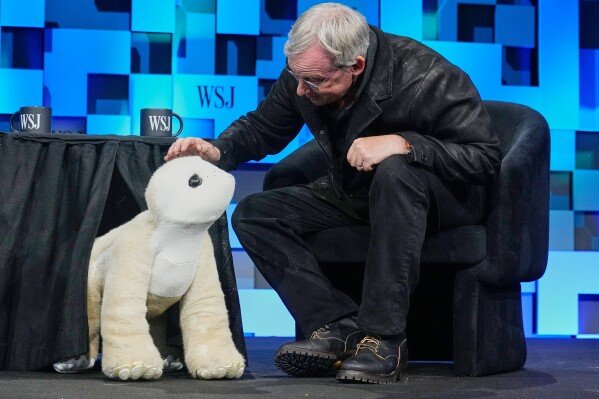
Roomba Creator Unveils Furry AI Robot Built for Companionship – A New Era of Emotional Robotics
The world of robotics is undergoing a major transformation. After revolutionizing home cleaning with the Roomba robotics pioneer Colin Angle is now shifting focus toward something far more human – emotional connection. His latest innovation a furry AI-powered robot called Familiar is designed not to clean your home but to keep you company.
What is the “Familiar” AI Robot?
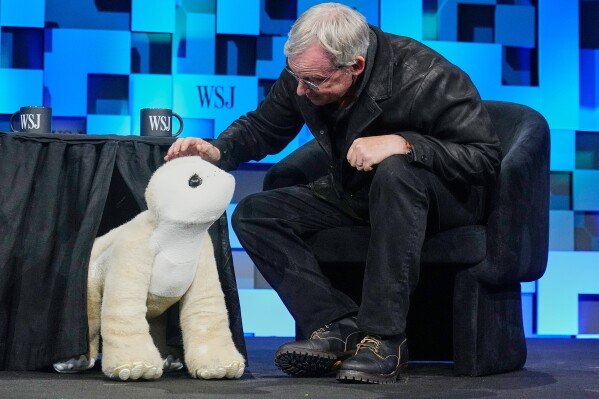
The Familiar is a next-generation home robot developed by the startup Familiar Machines & Magic. Unlike traditional robots that perform tasks like vacuuming or answering queries, this robot is built to act as a companion.
Roughly the size of a medium dog the robot features:
- Soft furry exterior
- Expressive eyes and facial gestures
- Animal-like movements and body language
- Non-verbal sound cues for interaction
Its design combines traits of multiple animals creating a unique identity that avoids comparisons with real pets.
A Shift from Utility to Emotional Intelligence
For decades robots have been built for efficiency and productivity. The Familiar marks a major shift toward emotional AI – machines designed to connect with humans on a deeper level.
Unlike voice assistants or chatbots:
- It does not speak
- It communicates through gestures, movement and sounds
- It focuses on presence and interaction not information delivery
This approach aims to create a more natural bond between humans and machines.
How the AI Companion Works
The Familiar uses advanced AI technologies to understand and respond to human behavior. Key capabilities include:
1. Emotional Recognition
The robot can interpret body language tone and social cues allowing it to react appropriately to human emotions.
2. Learning Household Routines
It adapts to daily habits learning:
- When you wake up
- Where you spend time
- Your behavioral patterns
This enables it to become part of your everyday life.
3. Autonomous Movement
The robot moves independently around the home much like a pet enhancing realism and engagement.
4. Privacy-Focused AI
Unlike many smart devices the Familiar processes data locally on-device reducing reliance on cloud storage and improving user privacy.
Why This Robot Matters
Tackling Loneliness and Isolation
One of the biggest motivations behind the Familiar is addressing loneliness especially among:
- Elderly individuals
- People living alone
- Children needing emotional engagement
The robot encourages interaction and can even prompt users to stay active.
No Maintenance Like Real Pets
Unlike real pets the Familiar:
- Doesn’t need food
- Doesn’t require vet visits
- Doesn’t create mess
Yet, it still provides a sense of companionship.
Real-World Use Cases
The Familiar could play a significant role in:
- Elder care: Providing comfort and monitoring emotional well-being
- Mental health support: Offering non-judgmental companionship
- Family environments: Acting as an interactive presence for children
- Smart homes: Becoming a central emotional interface
Challenges and Concerns
While the innovation is exciting it also raises important questions:
1. Emotional Dependency
Could people become overly attached to machines instead of forming human relationships?
2. Ethical Issues
What happens when AI starts replacing emotional roles traditionally filled by humans or pets?
3. Trust and Privacy
Even with on-device AI concerns about data and behavioral tracking remain.
Experts warn that while AI companions can help they cannot fully replace human connection.
The Future of AI Companionship
The launch of Familiar signals a broader industry trend:
Moving from task-based robots → to emotionally intelligent companions
As seen in recent tech developments AI is no longer confined to screens – it is entering the physical world with the goal of being present interactive and emotionally aware.
Conclusion
The furry AI robot unveiled by Colin Angle represents a bold new direction in robotics. By focusing on companionship rather than functionality the Familiar could redefine how humans interact with machines.
While still in development it highlights a future where robots are not just tools – but companions that understand adapt and connect.