
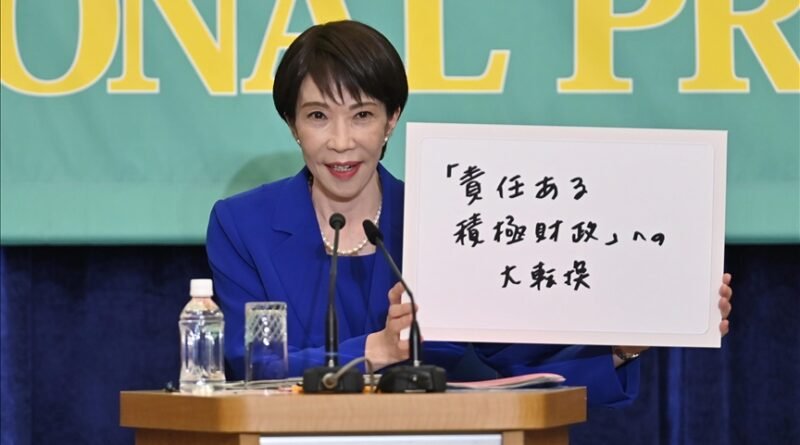
Sanae Takaichi’s Big Election Win in Japan: A New Mandate for Change
Tokyo, February 8, 2026 — Japanese Prime Minister Sanae Takaichi has secured a decisive victory in today’s snap general election, with media projections and exit polls showing her ruling coalition poised to dominate the lower house of parliament. The outcome marks a powerful political endorsement for Takaichi’s leadership and policy direction.
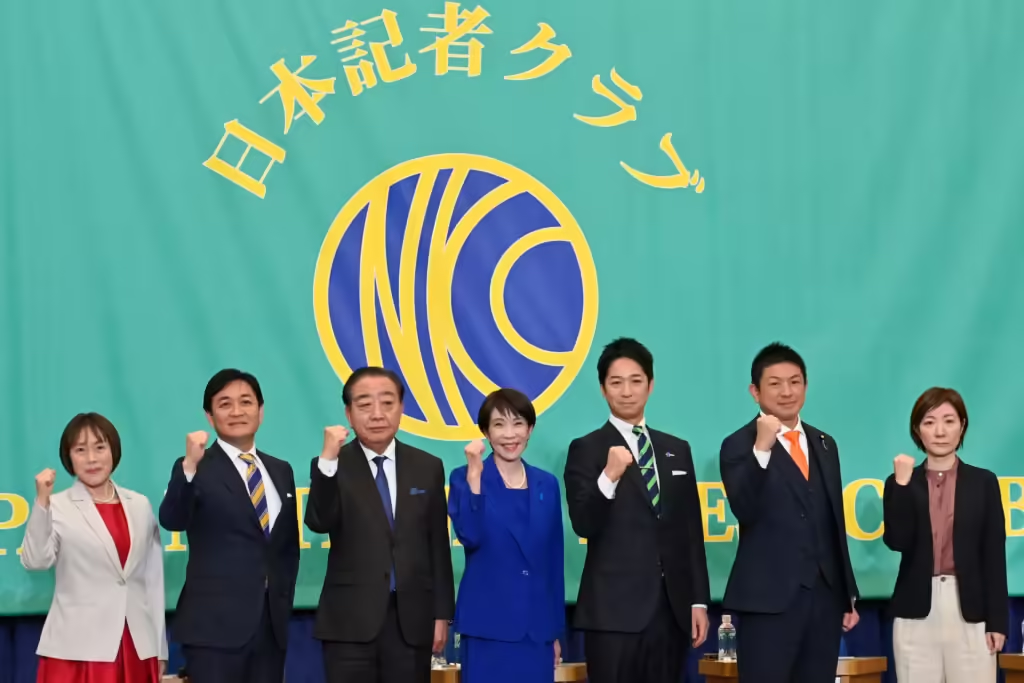
A Sweeping Victory for the Ruling Coalition
According to projections by public broadcaster NHK and multiple media outlets, Takaichi’s Liberal Democratic Party (LDP) — running with its coalition partner, the Japan Innovation Party (Ishin) — is set to win a large majority of the 465 seats in the House of Representatives. Early exit polls suggest the bloc could capture 274–328 seats on its own and up to 366 seats with its partner, well above the 233-seat majority threshold.
This strong showing represents a major rebound for the LDP after it lost its parliamentary majority due to scandals and public frustration with rising costs of living in previous elections. The projected result returns the party to firm control of Japan’s most powerful legislative chamber.
Takaichi’s Leadership and Campaign
Sanae Takaichi, who became Japan’s first female prime minister in late 2025 after winning the leadership of the LDP, called the snap election just three months into her tenure. Her campaign focused on a mix of economic stimulus, tax relief, and national security — policies aimed at addressing voters’ immediate concerns and long-term strategic challenges.
Key promises included a $135 billion stimulus package to counter inflation pressures, a proposed temporary suspension of the 8% food sales tax, and plans to strengthen Japan’s defense capabilities in light of regional security challenges. While some of these proposals unsettled financial markets due to Japan’s high debt levels, they resonated with many voters.
Domestic and International Implications
Takaichi’s projected landslide victory could give her government significant legislative leverage. With a commanding majority, the ruling coalition is expected to pursue its priorities more aggressively in the Diet — Japan’s national legislature — including budget decisions and possible constitutional revisions tied to national defense.
However, her leadership has also stirred controversy. Takaichi’s assertive stance on China and comments about potential military involvement in the event of aggression toward Taiwan drew criticism from Beijing, which responded with diplomatic pressure and travel advisories. Despite this, her hardline approach on security has helped solidify domestic support.
Opposition Challenges and Voter Sentiment
Opposition forces, including the newly formed Centrist Reform Alliance, have struggled to gain traction, with projections suggesting significant seat losses. Analysts point to a combination of voter fatigue with fragmented opposition parties and Takaichi’s appeal — particularly among younger voters — as key factors in the LDP’s success.
The election took place under severe winter conditions, with heavy snowfall affecting turnout in parts of the country. Despite logistical difficulties, voter enthusiasm for change appears to have driven strong results for the ruling bloc.