
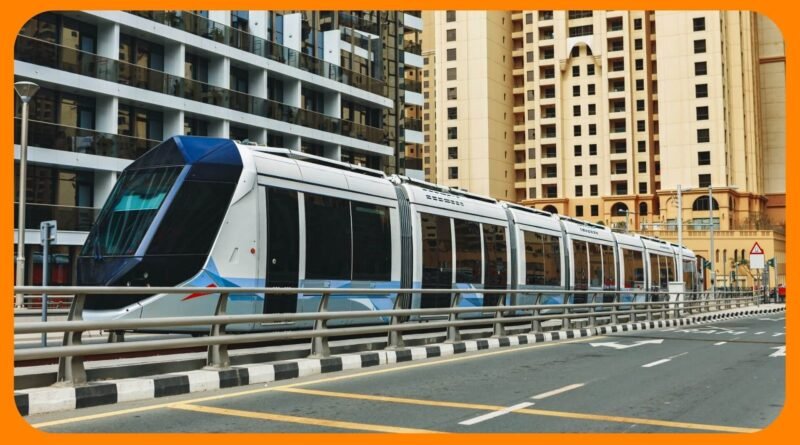
Dubai Unveils Plans for Trackless Tram Network Across Eight Key Areas
Dubai has moved a step closer to rolling out a new generation of street-level transit: the emirate’s Roads and Transport Authority is studying the deployment of an electric, autonomous trackless tram system across eight locations — part of a broader push to expand dedicated bus and taxi lanes and raise public-transport capacity.
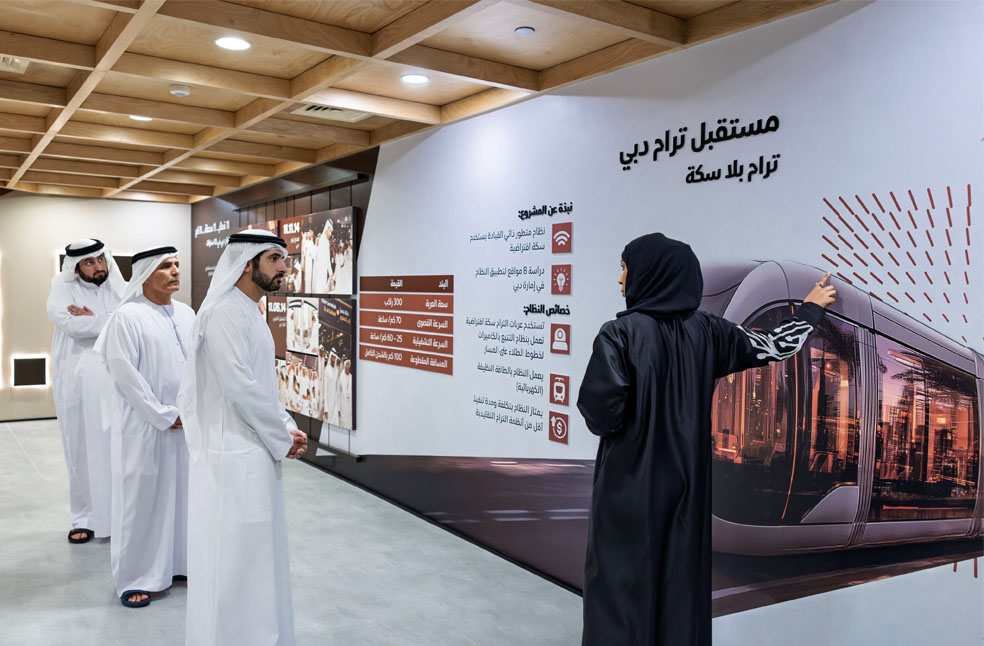
What is a trackless tram?
A “trackless tram” (sometimes called autonomous rapid transit) is a tram-style vehicle that runs on rubber tyres in a dedicated lane instead of steel rails. It’s guided along a “virtual track” — typically through camera/LiDAR systems that follow painted road markings and on-board navigation — and is electrically powered. Proponents say it combines many of the passenger comforts and station-style boarding of light rail with lower capital cost and much faster construction times because there’s no track-laying or heavy civil works.
Why Dubai is eyeing the technology
The announcement comes as part of the RTA’s report on a record rise in public transport use — Dubai recorded more than 802 million riders across all public transport and shared mobility modes in 2025. RTA leadership says the trackless tram option could extend high-quality, high-capacity surface transit into corridors where building conventional tram or metro lines would be costly or slow. The authority also frames the technology as greener (fully electric), flexible (can be re-routed or expanded without rails), and quicker to implement than conventional rail.
Where — and how — the system might appear
Authorities have confirmed the programme will look at eight deployment zones across the city, though detailed corridor-by-corridor confirmations are still under study. Early planning documents and coverage suggest routes will aim to plug gaps in the existing metro/tram/bus network — serving busy mixed-use districts, festival/entertainment hubs and suburban corridors that currently lack rapid surface options. One previously disclosed option for a longer route would link Dubai Festival City with surrounding areas and leave open the possibility of a future connection to an eventual Metro line.
How it would operate in practice
- Dedicated lanes: trackless trams will run in segregated lanes or road corridors painted and signed to keep private vehicles out — similar to proposed dedicated bus/taxi lane expansions announced by the RTA. These lanes help secure reliability and shorter journey times.
- Guidance & autonomy: the vehicles rely on cameras, sensors and AI to follow painted guidance lines and stop precisely at platform-level boarding points. That combination reduces infrastructure complexity but requires robust sensing and road maintenance standards.
- Integration: RTA emphasises that any trackless tram will be integrated with the Dubai Metro, tram and bus services to provide single-trip journeys and easy transfers — a key part of the strategy to make public transport the “first choice” for residents.
Benefits RTA highlights
- Faster delivery and lower upfront cost than laying tracks, helping the city react faster to new demand corridors.
- Electric propulsion with potential to reduce emissions and noise compared with diesel buses.
- Higher perceived quality than standard buses — level boarding, tram-like interiors and real-time operations — which can boost mode shift from private cars.
Potential challenges and community concerns
Trackless trams are not a silver bullet. Planners and transport experts often raise several points to watch:
- Road wear and maintenance: rubber-tyred heavy vehicles can accelerate pavement damage on corridors used repeatedly by the same wheel paths, increasing long-term maintenance costs.
- Capacity & lifecycle: while vehicles can be high-capacity, steel-on-steel light rail remains more energy-efficient and may carry higher long-term passenger volumes in the busiest corridors. Policymakers must match mode to corridor demand.
- Regulatory, safety and cybersecurity requirements for autonomous operation — plus the need to ensure painted guidance remains visible and robust in all weather and maintenance conditions.
Timeline and next steps
The RTA has described the project as under study and in the feasibility/assessment phase; the authority’s recent statements accompanied wider plans to expand dedicated bus and taxi lanes (adding about 13 km in new corridors) and to apply AI and smart mobility solutions across the network. Detailed route-by-route announcements, procurement timelines and operator models are expected only after the technical and economic studies conclude. For now, the public can expect pilot planning, site surveys and technology trials before any full rollout.
Bottom line
The trackless tram proposal is a pragmatic attempt to speed up delivery of high-quality surface transit in parts of the city where conventional light rail would be slow or costly to build. If the RTA’s studies validate cost, reliability and integration benefits, Dubai could add an electrically powered, tram-like system that complements the Metro and existing tram, while helping the emirate meet its mobility and sustainability targets. But success will depend on solid engineering, careful corridor selection, and clear rules to protect dedicated lanes and passenger safety.