
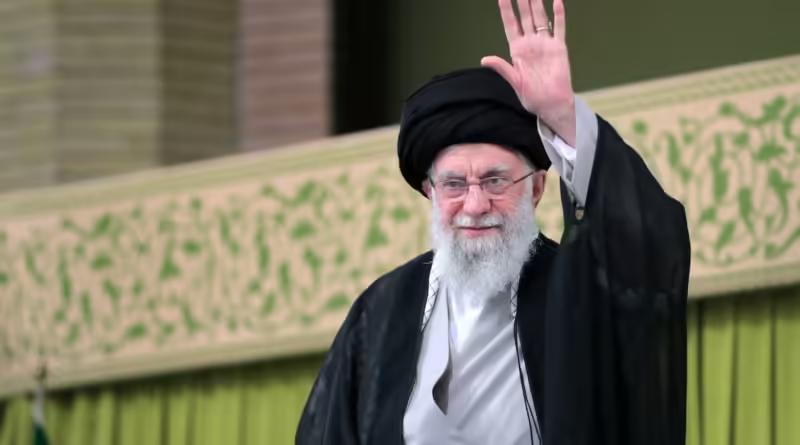
U.S-Israeli Forces Strike Iran — Supreme Leader Ayatollah Ali Khamenei Reportedly Killed: A Turning Point in Middle East Tensions
In an unprecedented escalation of hostilities in the Middle East, the United States and Israel launched coordinated military strikes against the Islamic Republic of Iran on February 28, 2026, marking a major expansion of conflict in the region. The offensive included air and missile attacks on strategic Iranian targets, culminating in the reported death of Iran’s Supreme Leader, Ayatollah Ali Khamenei, according to Iranian state media and multiple international sources.
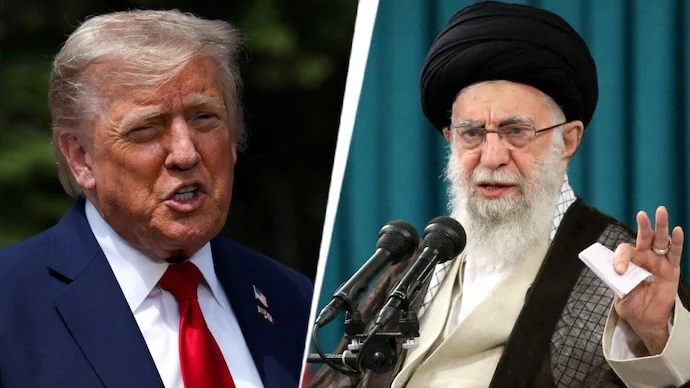
Operation Epic Fury: The Military Offensive
Under the name Operation Epic Fury, U.S. and Israeli forces initiated a wide-ranging attack on Iran’s military infrastructure and leadership networks late on February 28. The strikes hit air defense systems, ballistic missile sites, command and control centers, and facilities linked to Iran’s nuclear and military programs.
According to reports, the offensive involved advanced U.S. and Israeli assets, including stealth aircraft, long-range cruise missiles, and precision munitions designed to overwhelm Iranian defenses and degrade its ability to retaliate effectively.
Targeting the Leadership
A key objective of the strikes was the disruption of Iran’s political and military command structure. Early reports indicate that a high-precision strike hit the secure compound of Supreme Leader Ayatollah Ali Khamenei — killing him and several close family members, including his daughter and grandchild, according to Iranian state broadcasters and multiple news agencies.
Iranian authorities have confirmed Khamenei’s death and declared a 40-day period of national mourning, underscoring the gravity of the event for the Islamic Republic.
Regional Retaliation and Expanded Conflict
Almost immediately after the strikes, Iran launched missile and drone attacks against Israeli territory and U.S. military bases in the region, triggering explosions in several countries across the Middle East. Reports indicate that missiles were fired toward targets in Israel and U.S. installations in allied states, leading to casualties and damage in civilian and military zones.
Some Gulf nations temporarily closed airspace amid fears of further escalation, and international airlines canceled flights over the region.
The conflict now spans multiple fronts, raising fears among diplomats and analysts that the confrontation could broaden into a more extensive war involving regional powers such as Saudi Arabia, Iraq, and others in the Gulf.
Historical Context and Build-Up
Tensions between Iran and the United States, along with Israel, have been building for decades — rooted in:
- Iran’s controversial nuclear program, which Western powers suspected of aiming for weapons capability despite Tehran’s insistence that it was for peaceful energy.
- Proxy conflicts across the region, where Iran supported groups like Hezbollah in Lebanon and the Houthis in Yemen.
- Repeated military confrontations, including previous U.S. strikes on Iranian nuclear sites in 2025.
Domestic unrest also played a part. In late 2025, Iran witnessed its largest protests in decades over economic collapse and political repression, which the regime responded to with deadly force. Allegations of mass killings by security forces fueled international condemnation and provided additional justification for external intervention from some Western officials.
International Reaction
The U.S. and Israeli leadership have defended the operation as necessary for regional security and a blow against Iran’s militant influence. U.S. President Donald Trump publicly celebrated what he described as “justice” for victims of Iranian aggression and insisted that allied forces would continue pressure until the threat was neutralized.
However, the campaign has drawn mixed international responses:
- Some European nations called for restraint and emphasized the need for a diplomatic solution.
- United Nations officials urged de-escalation to avoid a broader conflagration.
- Regional governments expressed deep concern about wider instability and civilian suffering.
A Leadership Vacuum and Future Uncertainty
Khamenei’s death represents a seismic shift. As Iran’s supreme leader since 1989, he wielded ultimate authority over the state’s political, military, and religious institutions. His passing leaves an uncertain succession and potential power struggle within the clerical hierarchy and the Islamic Revolutionary Guard Corps (IRGC).
The future direction of Iran — whether it will fracture, harden under militant leadership, or open space for reform — remains unclear. Analysts warn that the next phase could determine the regional balance of power for years to come.
Humanitarian and Economic Impact
Beyond geopolitics, the conflict has already impacted civilians:
- There are reports of civilian casualties and infrastructure damage in major Iranian cities following airstrikes.
- Disruptions to shipping through the Strait of Hormuz — a strategic chokepoint — threaten global energy markets and could increase oil prices.
- Refugee flows and humanitarian needs may escalate if fighting spreads.