
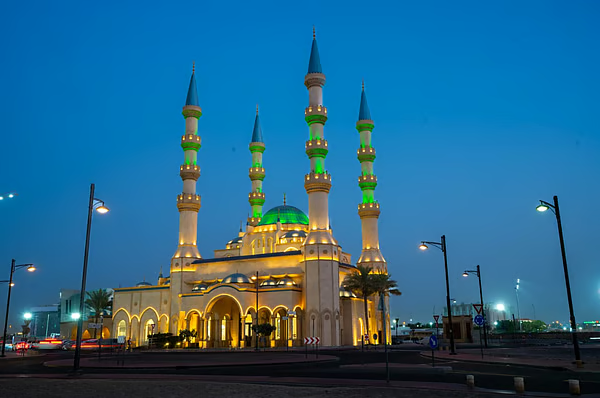
Ramadan 2026 UAE: February 18 Confirmed as First Day of Holy Month
The United Arab Emirates (UAE) has officially declared Wednesday, February 18, 2026, as the first day of Ramadan 1447 AH — the ninth and holiest month of the Islamic lunar calendar. The announcement was made following the sighting of the crescent moon (Hilal), marking the beginning of Ramadan, a sacred period observed by millions of Muslims across the nation and around the world.
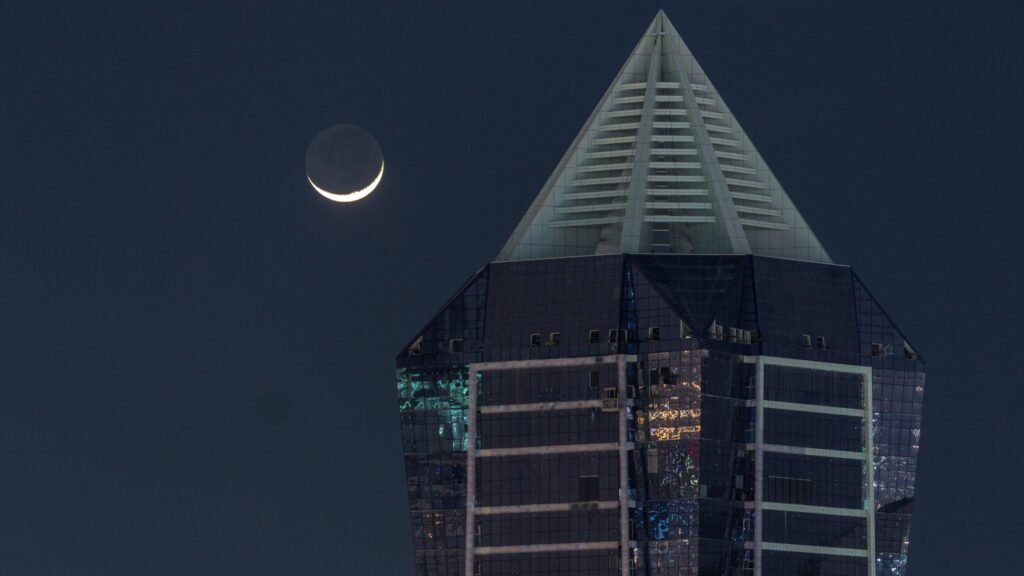
Crescent Moon Sighting and Official Declaration
Ramadan’s start is determined by the physical sighting of the new crescent moon. In the UAE, the national Moon-Sighting Committee convened on the evening of Tuesday, February 17, 2026, to review reports from across the Emirates. After confirming the crescent moon’s appearance, authorities announced that Ramadan will begin on Wednesday, February 18.
The announcement was issued by the Presidential Court of the UAE, reflecting the traditional Islamic process where religious councils and moon-sighting bodies make the final decision based on observations. Such decisions are deeply rooted in Islamic jurisprudence and lunar calendar practices.
What Ramadan Means
Ramadan is one of the Five Pillars of Islam and holds immense religious significance for Muslims. It commemorates the month during which the Quran was first revealed to the Prophet Muhammad (peace be upon him). Fasting during Ramadan — abstaining from food, drink, smoking, and other physical needs from dawn (suhoor) until sunset (iftar) — is an act of worship meant to teach discipline, spirituality, and empathy for those less fortunate.
Customs and Religious Observance
During Ramadan:
- Fasting (Sawm) is observed daily — from before sunrise to sunset.
- Muslims engage in extra prayers, especially Taraweeh at night.
- Laylat al-Qadr (the Night of Decree) — believed to be one of the last ten nights — is especially revered.
- Acts of charity (Zakat and Sadaqah) are emphasized, strengthening community and compassion.
- Families and friends gather for communal meals, and mosques become central hubs of worship and fellowship.
Social and Public Adjustments in the UAE
To support the observance of Ramadan, the UAE typically adjusts daily routines:
- Work and school hours are often reduced during the month to accommodate fasting and prayer times.
- Public institutions and private businesses may adapt schedules in respect of worship and community practices.
- Cultural activities, charitable Iftar programs, and mosque events are widespread throughout the Emirates.
Though this year’s official announcement sets the start on February 18, it’s worth noting that in some countries — especially outside the Gulf region — Ramadan may begin a day later (February 19) depending on local moon-sighting observations. Yet many Islamic authorities, particularly in the Gulf, align their declarations with those of the UAE and Saudi Arabia due to shared moon-sighting data.
End of Ramadan: Eid al-Fitr
Ramadan lasts 29 or 30 days, depending on the next crescent moon’s sighting at the end of the month. The conclusion of Ramadan is marked by Eid al-Fitr, a joyous festival celebrated with prayers, feasting, family gatherings, and community festivities. Astronomical predictions suggest that Eid al-Fitr 2026 may fall around March 20, but the exact date will again depend on moon sighting.