
No Cards, No Phones: UAE Rolls Out Region’s First Biometric Payment Platform
The United Arab Emirates (UAE) has taken a major leap forward in fintech innovation with the launch of the Middle East’s first biometric payment system, enabling people to pay using their face or palm scan instead of traditional cards or mobile devices. This breakthrough, introduced by the Central Bank of the UAE (CBUAE), represents a significant milestone in the nation’s digital transformation and positions the UAE as a global leader in next-generation payment technologies.

What Is the Biometric Payment System?
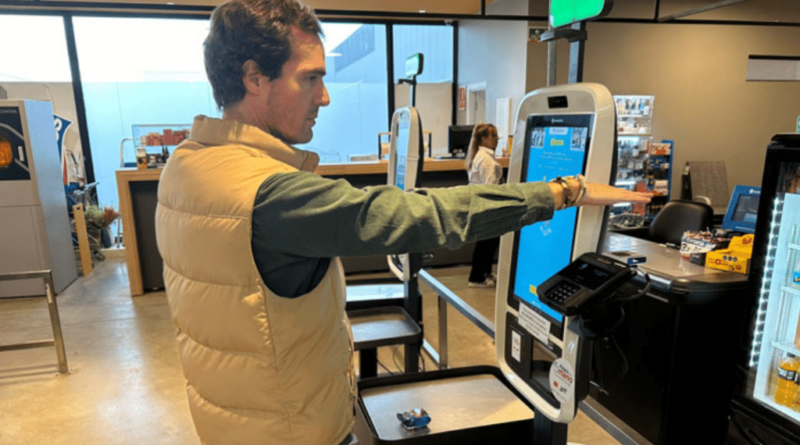
Under the pilot programme, customers can complete transactions by simply verifying their identity with facial recognition or a palm print scan. The system removes the need to carry cards, cash, or smartphones, blending convenience with secure authentication.
This initiative is currently in its proof-of-concept phase, being tested at selected locations such as the Dubai Land Department, where residents and visitors can experience the new payment method in real time.
How the System Works
The biometric payment solution uses advanced scanning technologies to authenticate the payer:
- Facial Recognition: High-resolution cameras map unique facial features to confirm identity.
- Palm Biometrics: A contactless scan of the palm’s unique patterns offers an alternative authentication method.
Both methods tie a user’s biometric data to their digital account through a secure and encrypted backend, ensuring that payments occur only with verified identities.
This system is powered by PopID, a biometric platform known for secure identity authentication, and developed in partnership with Network International, a leading fintech provider in the Middle East and Africa.
Why This Matters
1. Enhanced Convenience
One of the most noticeable benefits for users is the elimination of physical payment tools. With biometric verification, there’s no need to carry a wallet, remember PINs, or unlock phones — just a glance or a palm scan is enough.
2. Improved Security
Biometric identifiers like faces and palms are unique to individuals and difficult to replicate, making the system inherently more secure than traditional payment methods that can be stolen, cloned, or hacked. Experts believe that such systems could significantly reduce fraud and unauthorized use compared to conventional card or password-based systems.
3. Strategic Digital Economy Goals
This pilot aligns with the UAE’s broader Digital Economy Strategy, which aims to drive innovation, embrace cutting-edge technologies, and strengthen the nation’s position as a global hub for digital finance and commerce.
The CBUAE has emphasized that the biometric payment project is not just a technology experiment — it’s a strategic step toward transforming the payment ecosystem and paving the way for future services that are faster, safer, and more inclusive.
Voices from the Initiative
Officials involved in the project have underlined its importance:
- Saif Humaid Al Dhaheri, Assistant Governor for Banking Operations and Support Services at the CBUAE, described the system as a benchmark for trust and convenience, stressing how it enhances both security and user experience.
- Murat Cagri Suzer, CEO of Network International, said biometric payments are the next frontier in digital commerce, combining efficiency with innovation to support a future-ready payment ecosystem.
What’s Next? Wider Rollout and Future Prospects
At present, the system remains in a controlled pilot environment, with no official date announced for nationwide deployment. The CBUAE will use the results from this phase to evaluate the system’s security, performance, scalability, and user acceptance before considering broader adoption.
If successful, this biometric payment model could eventually expand to retail outlets, government service counters, and even international travel checkpoints, offering seamless, contactless transactions across varied everyday scenarios.
Global Context and UAE Leadership
While biometric payments have been trialled in limited scenarios globally, the UAE’s initiative is unique in its national-level backing and strategic integration into mainstream financial services. This places the country in the forefront of global fintech innovation and may inspire other nations to explore similar technologies.
In summary, the UAE’s launch of the region’s first biometric payment system marks a pivotal moment in the evolution of how money is exchanged. By blending cutting-edge biometric authentication with everyday financial transactions, the country is redefining convenience, security, and the future of digital payments.