
HWPL Hosts Pre-IRPA Briefing in Tanzania to Integrate Local Voices Ahead of Global Peace Academy
HWPL Hosts Pre-IRPA Briefing in Tanzania to Integrate Local Voices Ahead of Global Peace Academy
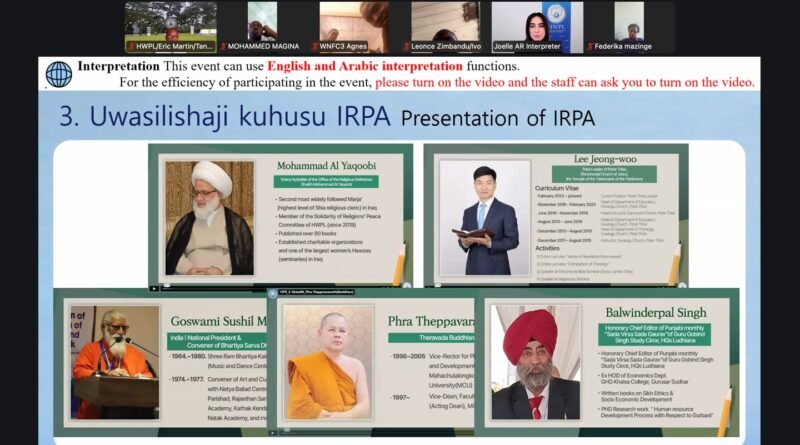
Heavenly Culture, World Peace, Restoration of Light (HWPL) has begun a series of Pre-IRPA briefings as part of its preparations for the International Religious Peace Academy (IRPA), scheduled to take place on 28 February. The first briefing was held on 3 January, focusing on Tanzania, with the aim of aligning the academy’s objectives with local realities and community needs.
The Pre-IRPA sessions were designed to explain IRPA’s goals, structure, and operational approach while actively gathering feedback from both current participants and prospective attendees. Rather than serving as a procedural orientation, the sessions functioned as a coordination and reflection platform, ensuring that the academy’s content and methods are relevant and effective within local contexts.
Strengthening Peace Through Local Context and Dialogue
Tanzania is known for its religious diversity, with Christian and Muslim communities living side by side across the country. While peaceful coexistence is the norm, periodic tensions—particularly in some coastal regions—have highlighted the importance of proactive dialogue and trust-building. In recent years, concerns around social cohesion, especially among youth, have led to growing discussions on the role of religious leaders, educators, and civil society in sustaining harmony.
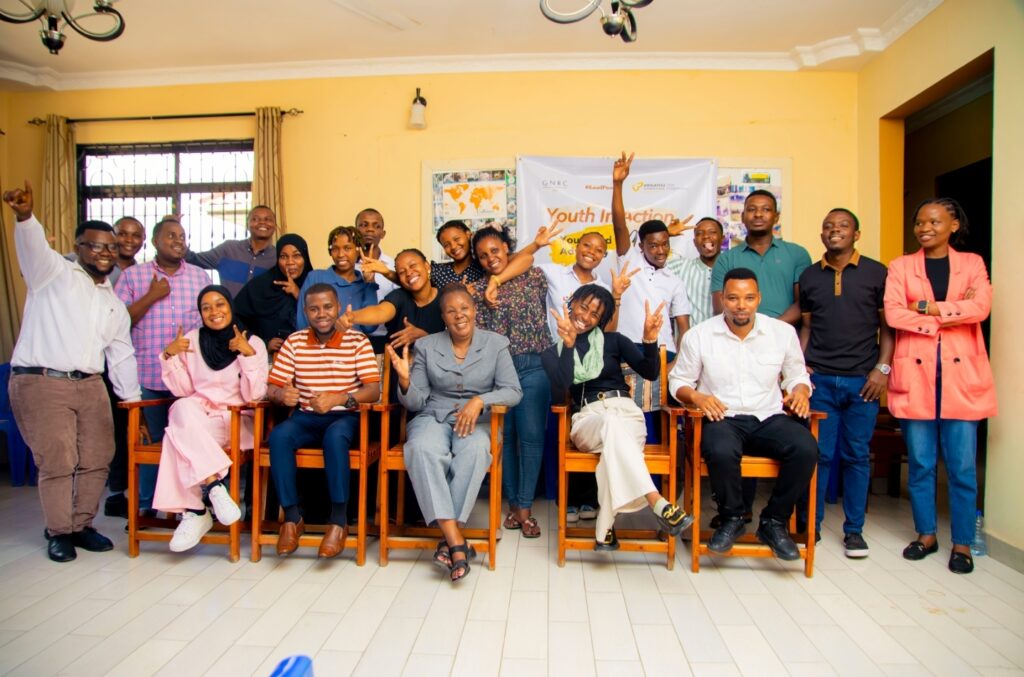
Against this backdrop, HWPL Tanzania has already established strong community ties through collaborations with universities and youth groups in Dar es Salaam, including peace declaration ceremonies and environmental initiatives. These efforts laid the groundwork for the Pre-IRPA briefings, which emphasized the need to reflect local perspectives as a foundation for meaningful interreligious cooperation.
International Engagement with Local Relevance
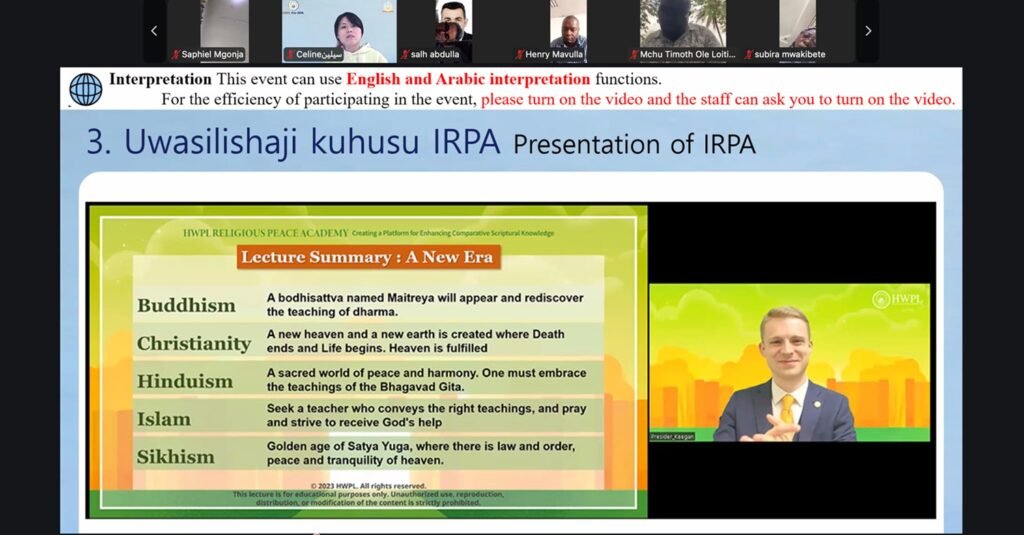
During the briefings, HWPL presented its broader vision for the 2026 IRPA, outlining key schedules, themes, and learning formats. This allowed participants to assess their potential involvement in the main academy while also offering insights into how the program could be adapted to their own social and cultural environments.
The dialogue-centered approach also provided participants from outside Tanzania with an opportunity to observe HWPL’s international capacity alongside its commitment to country-specific localization.
Mr. Markos Dakka, Director of Yehiwot Berhan Church of Ethiopia and a prospective IRPA participant, shared his impressions after the session:
“The opportunity to raise questions and share views in advance demonstrated an openness in how IRPA and HWPL approach local engagement.”
He added that the process highlighted the organization’s willingness to incorporate community input directly into program operations.
Feedback Shaping the IRPA Program
HWPL stated that the questions and feedback collected during the Pre-IRPA period have been actively reflected in preparations for the upcoming academy on 28 February. The organization emphasized that this inclusive approach is intended to encourage continuous participant contribution throughout the educational program, reinforcing IRPA’s goal of fostering sustainable religious understanding and cooperative action.
By prioritizing everyday dialogue, trust-building, and local relevance, HWPL aims to ensure that IRPA is not only a global peace initiative, but also a practical and impactful platform rooted in the realities of the communities it serves.